Swat Valley, often referred to as the “Switzerland of the East,” is a breathtaking region located in the Khyber Pakhtunkhwa province of Pakistan. It is famous for its stunning landscapes, rich cultural heritage, and historical significance. Here’s an overview of Swat Valley:
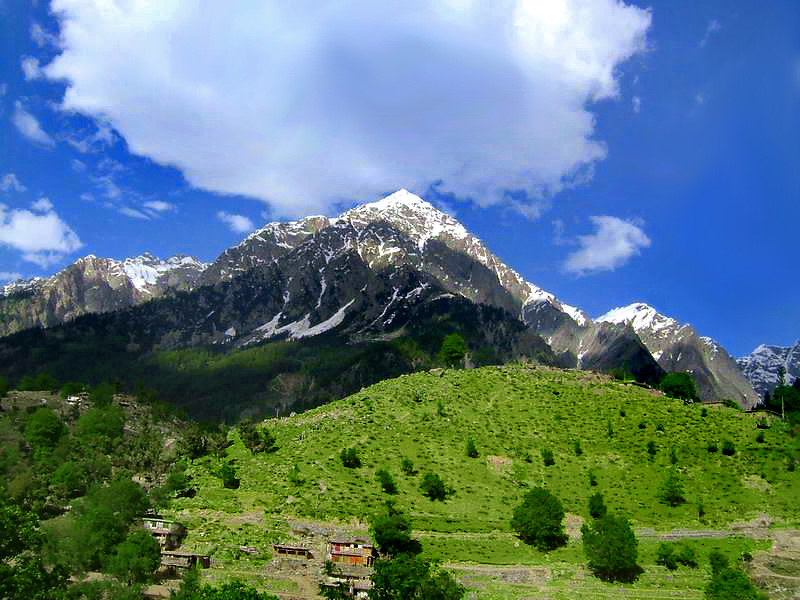
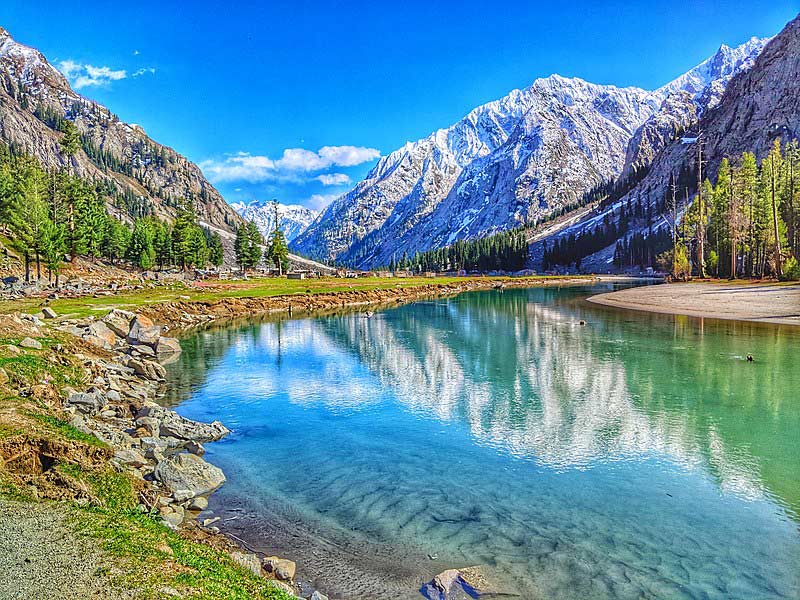
Swat Valley is situated in the northern region of Pakistan, bordered by lush green mountains, rivers, and serene valleys. The Swat River runs through the valley, adding to its charm. Key towns in the area include Mingora and Saidu Sharif, which serve as the main urban centers.
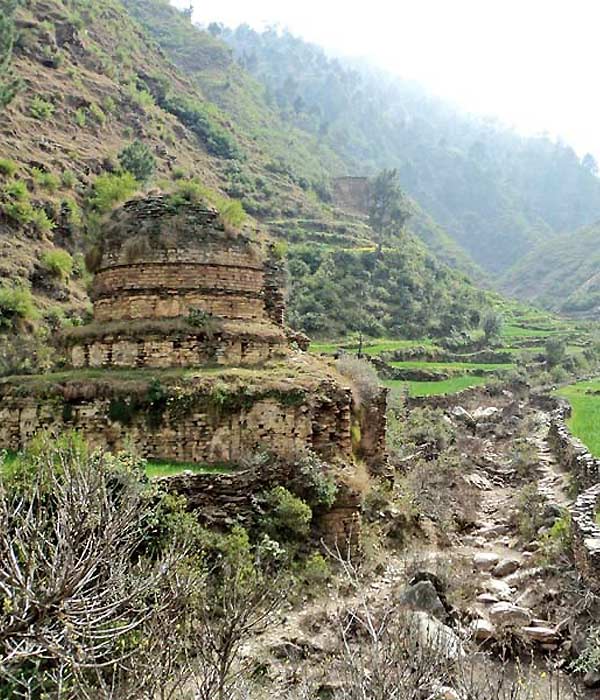
Swat Valley has been a significant center for Buddhism and ancient civilizations. It was part of the Gandhara region and boasts archaeological sites like:
Butkara Stupa: A prominent Buddhist site.
Udegram Buddhist Monastery: Ruins of an ancient Buddhist monastery.
Jahanabad Buddha: A massive Buddha carved into a cliff, showcasing Swat’s Buddhist heritage.
The valley experiences a temperate climate. Summers are mild and pleasant, while winters can be harsh, especially in the upper regions.
Swat’s inhabitants, primarily Pashtuns, are known for their hospitality. Traditional music, dance (Attan), and local crafts like embroidery and woodwork are integral parts of the culture.
Swat Valley is accessible by road from major cities like Islamabad and Peshawar. The Swat Motorway has further improved connectivity. Saidu Sharif Airport offers limited air travel options.
Despite facing challenges like militancy in the past, Swat Valley has seen a resurgence in tourism. Government initiatives have focused on restoring its infrastructure and promoting it as a peaceful and attractive destination.
WhatsApp us